
Our Therapy & Counseling Services
YOUR JOURNEY
STARTS HERE
Individual Therapy
What to Expect From Individual Therapy
A Space to Be Heard, Understood, and Supported
Sometimes life becomes difficult to navigate on your own. You may be struggling with anxiety, depression, trauma, relationships, stress, a major life transition, or simply feeling stuck and unsure of what comes next.
Individual therapy provides a confidential, supportive space to slow down, make sense of what you're experiencing, and begin moving toward meaningful change. You don't have to have everything figured out before you begin. Therapy is a place to start.
What Happens During the First Session?
Your first session is an opportunity for you and your therapist to begin getting to know one another. Your therapist will ask about what brings you to therapy, what you have been experiencing, your history, relationships, strengths, and what you hope will be different as a result of therapy.
You will also have an opportunity to ask questions and learn about your therapist's approach. Together, you will begin identifying goals for therapy and determining what type of support will be most helpful.
You don't have to tell your entire story on the first day. We will move at a pace that feels appropriate for you.
What Does Individual Therapy Look Like?
Therapy is different for every person. Some sessions may involve talking through something that happened during the week. Other times, you may explore patterns in your thoughts, emotions, behaviors, or relationships. Your therapist may introduce practical strategies, therapeutic exercises, or new ways of understanding a difficult situation.
Depending on your needs and goals, therapy may incorporate approaches such as cognitive behavioral therapy, trauma-informed interventions, mindfulness, solution-focused strategies, or other evidence-based practices.
The goal isn't simply to talk about problems. Therapy is an opportunity to understand, heal, and create change.
What Can Individual Therapy Help With?
Individual therapy can help with a wide range of concerns, including:
Anxiety and excessive worry
Depression and mood concerns
Trauma and traumatic experiences
Grief and loss
Stress and burnout
Life transitions and adjustment
Self-esteem and self-worth
Emotional regulation
ADHD and executive functioning
Relationship and communication difficulties
Parenting challenges
Coping with major life changes
Chronic stress and overwhelm
Difficult emotions or feeling stuck
Your therapist will work with you to understand your unique concerns and develop a treatment approach based on your needs, strengths, and goals.
What Can I Expect From My Therapist?
At New River Hope Center, we believe the therapeutic relationship matters. You should feel heard, respected, and safe enough to be honest about what you're experiencing.
Your therapist will not judge you or tell you how you are supposed to live your life. Instead, therapy is a collaborative process. Your therapist brings clinical knowledge and experience; you bring your lived experience and understanding of yourself. Together, you work toward the changes that matter to you.
How Long Does Therapy Take?
There is no single timeline for therapy. The length and frequency of treatment depend on your concerns, goals, circumstances, and progress.
Some people seek therapy for support through a specific life challenge and may benefit from shorter-term treatment. Others may choose longer-term therapy to work through longstanding patterns, trauma, relationship difficulties, or ongoing mental health concerns.
Throughout treatment, your therapist will work with you to evaluate your progress and determine what level of support is appropriate.
You Don't Have to Navigate It Alone
Reaching out for therapy can feel like a big step. You may be unsure whether your concerns are “serious enough,” wonder what to expect, or worry about what it will be like to talk with someone you don't know.
You don't have to wait until things become unbearable to ask for support.
Therapy can be a place to pause, understand what is happening, reconnect with yourself, and discover new possibilities for moving forward.
At New River Hope Center, we believe healing begins with a relationship built on trust, compassion, empathy, and quality care.
When you're ready, we're here to take that first step with you.



YOUR JOURNEY
STARTS HERE
Play Therapy
What to Expect From Play Therapy
A Different Way of Helping Children Heal
Children do not always have the words to explain what they are feeling or experiencing. While adults often process difficult experiences by talking, children frequently communicate through play. Play is a child's natural language, making it a developmentally appropriate way to explore emotions, relationships, worries, and difficult experiences.
Play therapy provides children with a safe, supportive environment where they can express themselves in ways that feel natural to them. A trained therapist uses the child's play therapeutically to help them process emotions, develop coping skills, strengthen relationships, and build confidence and resilience.
What Happens During the First Session?
The first step typically involves meeting with the parent or caregiver to learn about your child's history, current concerns, strengths, relationships, and goals for therapy. This gives the therapist a fuller understanding of your child and helps determine whether play therapy is an appropriate fit.
Depending on your child's age and needs, the therapist may also begin getting to know your child during the initial appointment. Building trust is an important part of the process, and children are not expected to immediately talk about difficult experiences or feelings.
What Does a Play Therapy Session Look Like?
The playroom may look different from a traditional therapy office. Children may have access to carefully selected toys, art materials, games, puppets, sand, books, or other creative activities.
But this isn't simply “playtime.”
The therapist intentionally uses play and the therapeutic relationship to help your child work toward treatment goals. The therapist may follow the child's lead, reflect feelings, establish appropriate boundaries, introduce therapeutic activities, or help the child practice new ways of coping and interacting.
You may see your child playing out stories, creating artwork, pretending, building, talking, moving, or experimenting with different solutions to problems. These activities can provide important opportunities for emotional expression and therapeutic growth.
How Does Play Help With Trauma?
When children experience trauma, they may not have the developmental ability to understand or verbally describe what happened. Their experiences may instead appear through behavior, emotions, relationships, or themes in their play.
Play can give children a developmentally appropriate way to express and process difficult experiences while remaining within a safe therapeutic relationship. The therapist helps the child gradually develop a greater sense of safety, emotional regulation, understanding, and control.
Children are never expected to “tell everything” before they are ready. Building safety and trust comes first.
What Can Play Therapy Help With?
Play therapy may be helpful for children experiencing:
Anxiety, fears, or excessive worry
Trauma or traumatic experiences
Grief and loss
Anger and emotional regulation difficulties
Behavioral concerns
Family changes, divorce, or separation
Attachment and relationship difficulties
Social or peer challenges
Low self-esteem or confidence
School-related stress
Adjustment to major life changes
Difficulty expressing or understanding emotions
The therapist will work with you to determine whether play therapy is appropriate for your child's specific needs.
What Is the Parent's Role?
Parents and caregivers are an important part of a child's therapeutic process. Depending on the child's age, treatment goals, and therapeutic approach, parents may participate in sessions, meet separately with the therapist, or receive guidance and strategies to support their child's progress at home.
Therapy is not about blaming parents or finding fault. It is about helping the entire family understand what a child may be communicating through their emotions and behavior and finding healthier ways forward.
How Long Does Play Therapy Take?
Every child is different. The length and frequency of therapy depend on your child's needs, treatment goals, developmental level, circumstances, and response to treatment.
Some children may benefit from a relatively brief course of therapy, while children working through significant trauma, ongoing stressors, or complex relational concerns may need longer-term support. Your therapist will regularly evaluate progress and work with you to determine the appropriate course of treatment.
A Place Where Children Can Be Children
Therapy does not have to look like sitting in a chair and answering questions.
For children, healing may begin through a story, a drawing, a puppet, a game, or simply learning that there is a safe adult who will listen and understand.
At New River Hope Center, we meet children where they are and use the language they naturally understand—play—to help them express, process, heal, and grow.
Ready to learn more? Contact us to discuss whether play therapy may be a good fit for your child.
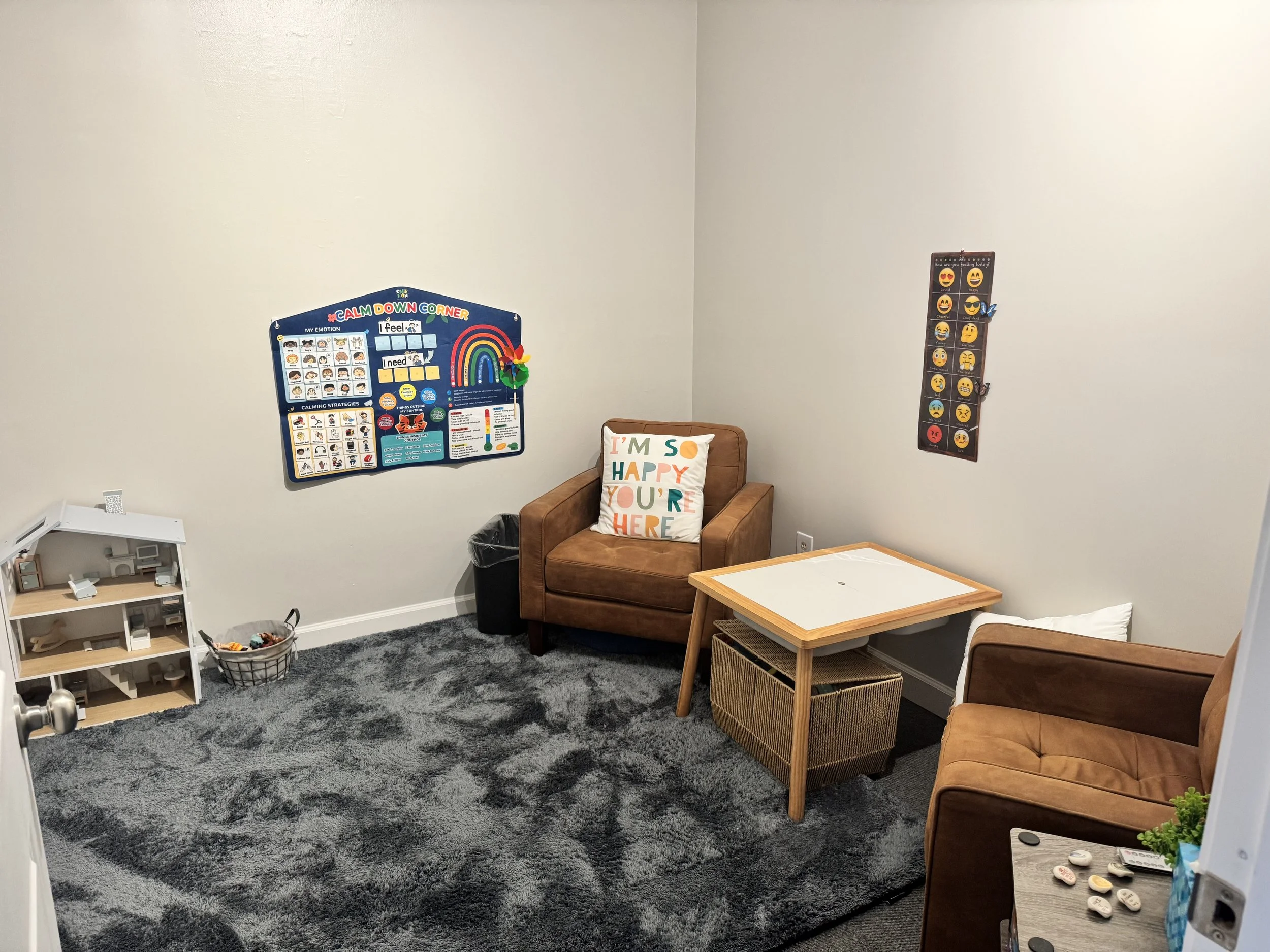

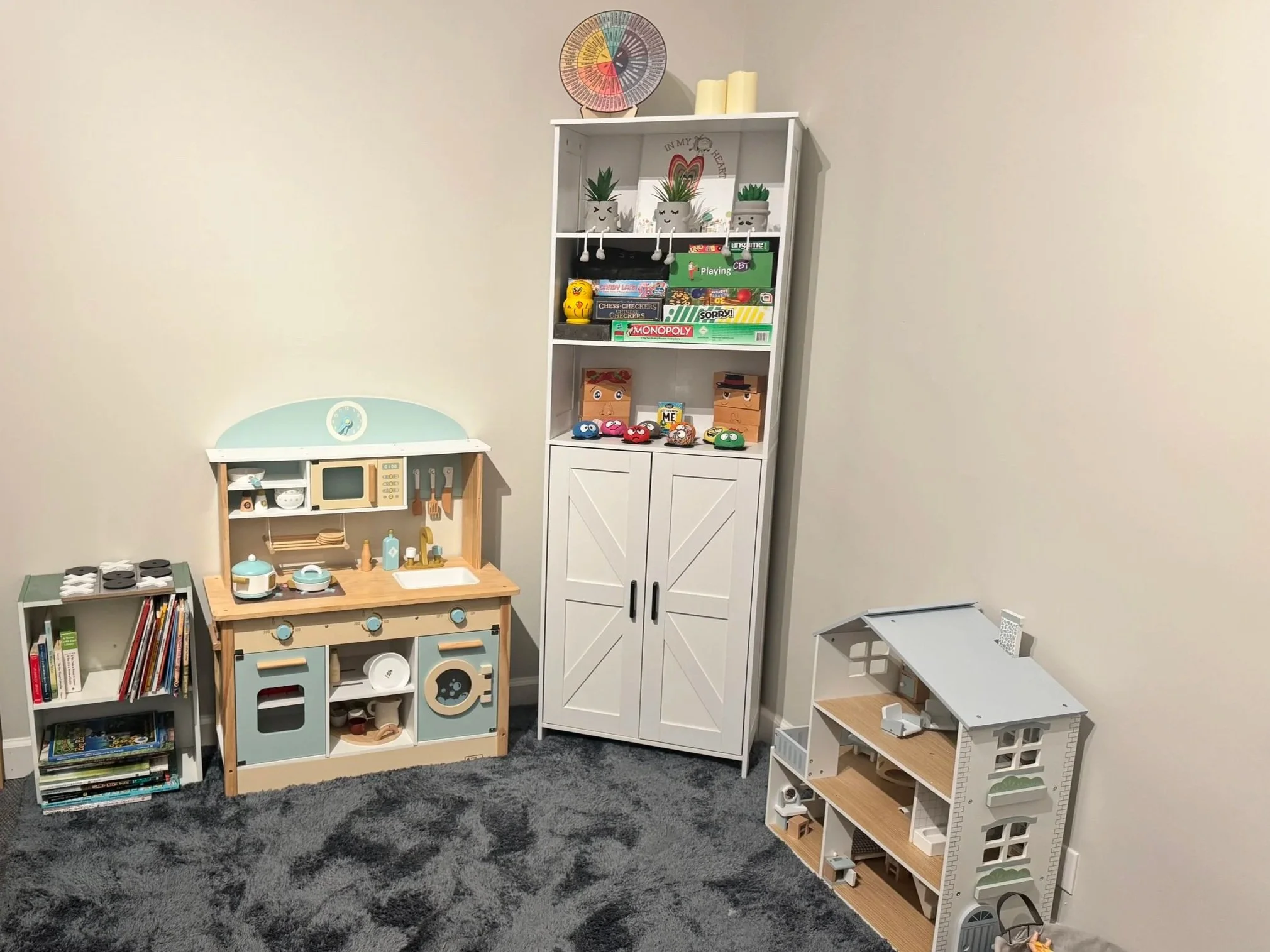
YOUR JOURNEY
STARTS HERE
Family Therapy
What to Expect From Family Therapy
Healing Happens in Relationships
Families can be a source of love, connection, and support—but they can also experience conflict, communication difficulties, major transitions, and times when it feels like everyone is struggling to understand one another.
Family therapy provides a supportive space for family members to work through challenges together. Rather than focusing on one person as “the problem,” family therapy looks at relationships, communication patterns, family dynamics, and the circumstances affecting the family as a whole.
What Happens During the First Session?
The first session is an opportunity for the therapist to learn about your family and understand what brought you to therapy. Family members may be invited to share their perspectives, concerns, and hopes for treatment.
Your therapist will work to understand your family's history, relationships, strengths, communication patterns, and current challenges. Together, you will begin identifying goals and determining how therapy can best support your family.
Everyone's perspective matters. Family therapy is not about deciding who is right or wrong. It is about understanding what is happening and finding a healthier way forward.
What Does Family Therapy Look Like?
Family therapy may involve everyone participating in the same session, individual conversations within a family session, or different combinations of family members depending on the family's needs and treatment goals.
Sessions may focus on:
Improving communication
Understanding one another's perspectives
Managing conflict
Strengthening emotional connection
Establishing healthy boundaries
Improving parent-child relationships
Navigating changes within the family
Developing healthier patterns of interaction
Repairing relationships after difficult experiences
Building effective problem-solving skills
Your therapist may use structured activities, communication exercises, therapeutic conversations, and other evidence-based interventions to help family members practice new ways of relating to one another.
What Can Family Therapy Help With?
Family therapy can be helpful when families are experiencing:
Ongoing conflict or communication difficulties
Parent-child relationship challenges
Behavioral or emotional concerns in children or teens
Divorce, separation, or remarriage
Blended family challenges
Grief and loss
Major life transitions
Trauma and its impact on the family
Parenting challenges
Difficulty establishing boundaries
Changes in family roles or responsibilities
Emotional disconnection
Difficulty adjusting to a family member's mental health concerns
Family therapy can also be helpful when a family is not in crisis but simply wants to improve communication, strengthen relationships, and better support one another.
Does Everyone Have to Participate?
Not necessarily. The appropriate participants depend on your family's situation and treatment goals. Some families benefit from having everyone involved, while others may begin with certain family members or include individual sessions as part of the overall treatment plan.
Your therapist will work with you to determine what approach makes the most sense.
What Is the Therapist's Role?
Family therapists do not take sides. Instead, they work to understand the experiences and perspectives of each person while helping the family recognize patterns that may be contributing to conflict or disconnection.
Your therapist provides a safe, structured environment where difficult conversations can happen more productively. The goal is not to assign blame but to help family members listen, understand, communicate, and respond differently.
Family Therapy Is About More Than Solving Problems
Families don't have to wait until relationships are severely strained before seeking support. Sometimes therapy is about learning how to communicate before conflict becomes overwhelming. Sometimes it is about repairing a relationship after something difficult has happened. And sometimes it is about learning how to navigate a new chapter together.
At New River Hope Center, we believe that healthy families are not families without conflict. They are families with the tools, connection, and support to work through challenges together.
You Don't Have to Find Your Way Forward Alone
When family relationships feel difficult, it can be hard to know where to begin. Family therapy provides a place to slow down, understand what is happening, and begin building healthier ways of connecting.
Ready to take the next step? Contact New River Hope Center to learn whether family therapy is right for your family.
With support, families can heal, grow, and find their way forward together.




“There is no greater agony than bearing an untold story inside you.”
— Maya Angelou

Therapy can help you move beyond simply coping toward creating a life that reflects your values, strengths, and hopes
“I need things to feel more manageable.”

“I want to understand why I feel and respond this way.”

“I want to write a different next chapter.”


OUR APPROACH
01. Reach Out
Call or email us to get started. We’ll ask a few questions about what brings you to therapy, what you’re looking for, and how we may be able to help. Or, if you don’t feel too “people-y” and want to schedule straight from our website online you can do that too!
02. Meet With Your Therapist
Schedule an initial intake appointment. This first session is an opportunity to share what’s been going on, learn more about your therapist’s approach, and begin identifying your goals for therapy. You’ll also have a chance to ask questions and decide whether you feel comfortable moving forward.
03. Begin Your Journey
If you and your therapist feel that New River Hope Center is a good fit, you’ll begin working together toward your goals. Therapy is a collaborative process, and your treatment will be tailored to your unique needs, experiences, and goals.
You don't have to have everything figured out before you reach out. Taking the first step is enough.

What We Specialize In
Anxiety & Depression
Grief
Stress & Life Transitions
Family Conflict & Support
Parent-Child Relationship Support
Co-Parenting or Blended Family Guidance
Emotional, Behavioral, or Development Challenges
ADHD
Anxiety
Women’s Health
School Stress
Trauma
And Much More!
Frequently Asked Questions

-
You have found yourself asking this question for a reason. Sometimes we feel lost, uncertain, or even afraid. Life throws some really tough things our way that can be difficult to navigate and understand on our own. People enter therapy for a variety of reasons. Some come to therapy because they need someone to help sort through a circumstance that has presented itself. Some come to therapy because they feel lost, alone and afraid that they may give up or hurt themselves or someone else. Still, some come to therapy to find themselves or sort through a traumatic event from their past or present. Whatever the reason you have found yourself here, our therapists can help you navigate your situation, emotions, and symptoms. Therapy creates a safe space for you to discover your way to the life you deserve.
-
The short answer is YES! Therapy is completely confidential. Everything discussed in a therapy room is privileged information between you and your therapist. Even your presence in therapy is confidential. There are a few exceptions to confidentiality, however. Therapists are mandated reporters for certain things in Tennessee. These reports include: 1) If your therapist believes that you are in danger of harming yourself or someone else 2) If your therapist learns about a child or a dependent adult being abused. 3) If a judge orders your therapy records in a legal matter (very rare) 4) If you are using your insurance, your insurance company will receive your diagnosis code and could request records in an audit.
-
Therapy is a collaborative process between you and your therapist. It is very helpful for you and your therapist to discuss and focus on your goals of coming to therapy. Some come to therapy for support, and some come to be challenged. Your therapist is not there to give you advice, but is trained to ask questions and allow you to utilize your own strengths to arrive at your goals. We believe in you, and are here to walk with you. Ultimately, there can be no guaranteed results of therapy, but your level of participation often drives the outcome of the therapy.
-
This is a question that can only be answered by you and your therapist. There are many factors involved in this answer such as past history, trauma, attachment styles, presenting problems, and much much more. Some come to therapy for a few sessions and some go to therapy for years. This should be an ongoing conversation with your therapist as you set goals and reflect on your progress throughout the therapeutic process.
-
Therapy can be misunderstood by well-meaning individuals. As therapists, we encourage you to gather information and decide what is right for you. There are different types of therapy and different types of therapists. Don't be afraid to ask direct questions about the therapy you will receive, your therapists training, and discuss your concerns. Ultimately, therapy is confidential and many people choose not to tell others that they are seeking therapy. You have a right to your privacy, and a right to make this decision for yourself.
-
The cost of therapy depends on your insurance coverage, benefits, and financial circumstances. New River Hope Center accepts many insurance plans and also offers affordable options and financial assistance for those who qualify. We believe financial circumstances should not prevent someone from accessing quality mental health care. Contact us to learn more about your options.
-
New River Hope Center is not a faith-based counseling practice. We welcome individuals and families from all backgrounds, beliefs, and perspectives. Our care is grounded in evidence-based, trauma-informed mental health practices, and we respect each client's values and worldview. We recognize faith or spirituality can be an important part of your life, so you are welcome to ask that your faith be incorporated into therapy when they are relevant to your goals and preferences.